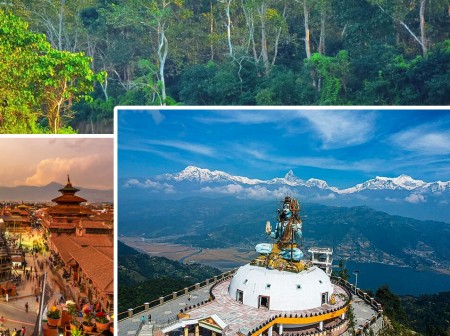
Eco-Tourism in Nepal
- soleencounters
Eco-Tourism in Nepal: How to Travel Responsibly
Table of Contents
Nepal, with its dramatic Himalayan peaks, ancient cultural landmarks, and lush biodiversity, has long attracted adventure seekers and spiritual travelers. However, with rising tourism comes the pressing need for sustainability. Eco-tourism in Nepal is no longer just a trend—it’s a responsibility.
At Sole Encounters Trekking Pvt. Ltd., we are committed to promoting environmentally conscious travel that supports local communities and preserves Nepal’s natural and cultural heritage. This guide will help you understand how to travel responsibly while experiencing the best of Nepal.
What is Eco-Tourism in Nepal?
Eco-tourism is a form of sustainable travel that focuses on conserving the environment, respecting local culture, and ensuring tourism benefits host communities. In Nepal, this translates into:
-
Minimizing waste and environmental impact on treks and tours
-
Supporting local economies through responsible travel choices
-
Preserving cultural traditions and sacred sites
-
Engaging with nature mindfully, without exploitation or disruption
Eco-tourism in Nepal is vital in regions like the Annapurna, Everest, and Langtang, where increased footfall affects delicate alpine ecosystems and traditional ways of life.
Explore our sustainable travel options on the Nepal Destination Page
Why Eco-Tourism Matters in Nepal
Nepal faces challenges such as deforestation, glacial melt, plastic pollution, and loss of cultural identity. When travelers make conscious choices, they can:
-
Reduce carbon footprints in high-altitude regions
-
Help protect endangered wildlife in places like Chitwan and Bardia
-
Strengthen small-scale economies in rural areas
-
Encourage preservation of cultural heritage and indigenous knowledge
Traveling responsibly ensures Nepal remains a welcoming, vibrant destination for generations to come.
How to Travel Responsibly in Nepal
1. Choose Eco-Friendly Trekking and Tour Operators
Select companies that follow Leave No Trace principles, support local staff ethically, and implement eco-conscious practices.
At Sole Encounters, we:
-
Use reusable water systems to reduce plastic bottle waste
-
Ensure porters and guides are fairly paid and properly equipped
-
Partner with eco-lodges and family-run teahouses
Consider trekking sustainably in popular regions like:
-
Everest Base Camp Trek
-
Annapurna Base Camp Trek
-
Langtang Valley Trek
2. Reduce Plastic Usage
-
Bring a refillable water bottle and a SteriPEN or purification tablets
-
Avoid buying single-use plastic snacks or water along trails
-
Pack out what you pack in—leave no trash behind
Even remote trails are increasingly littered with plastic. Responsible trekkers help keep them pristine.
3. Respect Local Culture and Customs
-
Dress modestly in villages and religious areas
-
Ask before photographing people or entering homes
-
Participate in cultural practices with an open and respectful attitude
Understanding cultural etiquette enhances your experience. Read our blog on Nepali Culture & Etiquette for more insights.
4. Stay in Eco-Lodges and Homestays
Opt for lodges that implement sustainable energy, composting, and water management. Homestays, especially in remote villages, offer:
-
A direct way to support local families
-
Authentic experiences in Nepali lifestyle and cuisine
-
Reduced carbon impact compared to large hotels
Regions like Bandipur, Tansen, and the lower Mustang area offer excellent eco-stay options.
5. Support Local Artisans and Farmers
-
Buy handmade crafts, textiles, and souvenirs directly from artisans
-
Choose local eateries over global chains
-
Take part in community-run projects or farm visits
By spending locally, you help distribute the economic benefits of tourism fairly.
6. Join Low-Impact Adventure Activities
Adventure doesn’t have to cost the environment. Instead of motorized tours, try:
-
Hiking or trekking
-
Canoeing or rafting
-
Mountain biking or cycling in the Kathmandu Valley
These activities minimize emissions and allow deeper immersion in nature.
7. Travel During Off-Peak Seasons
The best time to visit Nepal for trekking is spring (March–May) and autumn (September–November), but traveling slightly off-season helps:
-
Reduce pressure on popular trails and lodges
-
Minimize overcrowding and waste production
-
Provide income continuity for locals year-round
Winter and monsoon months are excellent for cultural tours, wildlife viewing, and photography trips.
8. Participate in Environmental Conservation
Many organizations and villages run conservation programs where travelers can:
-
Join tree planting projects
-
Contribute to trail maintenance
-
Take part in community clean-up campaigns
Ask your guide or travel operator about local volunteer opportunities.
Eco-Tourism in National Parks and Protected Areas
Nepal has several protected areas where eco-tourism plays a key role:
-
Chitwan National Park: Home to rhinos, tigers, elephants, and rich birdlife
-
Bardia National Park: Remote and less crowded, perfect for responsible wildlife viewing
-
Sagarmatha National Park: Everest region, where conservation and trekking must go hand in hand
Always follow park rules, stay on trails, and never disturb wildlife.
Conclusion: Make Your Journey Matter
Eco-tourism in Nepal isn’t just about what you see—it’s about how you travel. By choosing low-impact options, supporting local communities, and respecting natural and cultural landscapes, you help preserve what makes Nepal extraordinary.
At Sole Encounters Trekking Pvt. Ltd., we’re dedicated to crafting experiences that are as respectful as they are rewarding. Join us in making a positive impact while discovering Nepal’s breathtaking beauty.
Ready to travel responsibly?
📍 Discover more about sustainable travel on our Nepal Destination Page
📩 For custom eco-tours, Contact Us today.
Recent Posts
.jpg)
3rd Jul, 2025
.jpg)
4th Jul, 2025
.jpg)
4th Jul, 2025
.jpg)
7th Jul, 2025
.jpg)
8th Jul, 2025
.jpg)
8th Jul, 2025
.jpg)
8th Jul, 2025

10th Jul, 2025